
Author: ABeWER Clinical Team
Date: 23 November 2026
A heel may need attention at two quite different moments in the same day. The first comes in the morning, when a person puts on a shoe and takes the first few steps. The second comes at night, when that person lies down and finds it difficult to move the foot across the mattress. A care team that sees only one of those moments is missing part of the story.
Between 13 October and 10 November 2026, ABeWER and MATC Academy held a 35-hour seminar on chronic lower limb wounds at the University of Cyprus. Podiatrists, nurses specialising in diabetic foot care, and physiotherapists met over five Tuesdays in lecture room LRC 019 at the Stelios Ioannou Learning Resource Centre (Library). Christos Chapeshis, gerontologist and CEO of ABeWER, led the training. The Human Resource Development Authority of Cyprus had approved the programme specification.
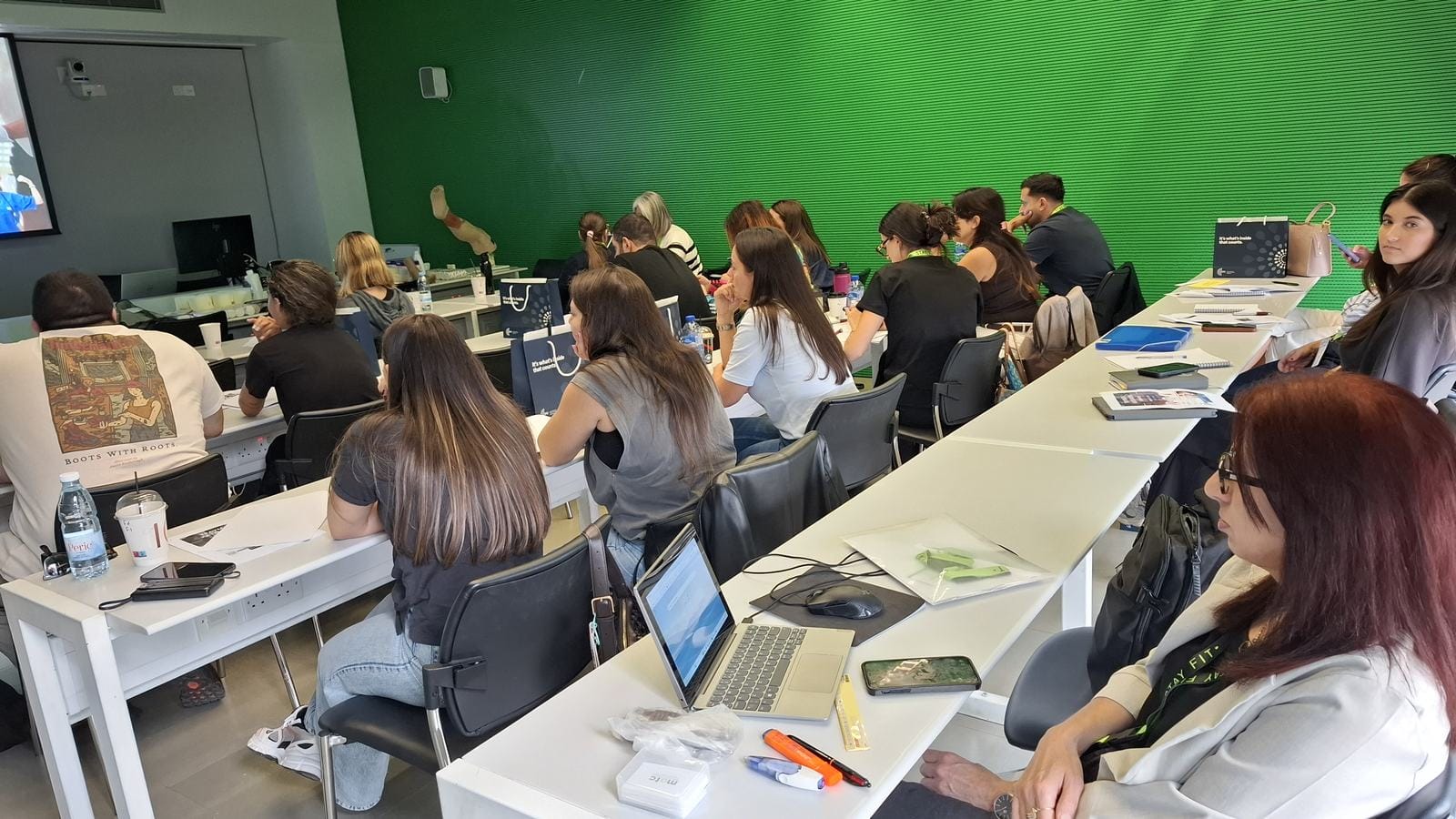
ABeWER presented technologies and current strategies for preventing and managing pressure injuries. In a seminar on lower limb wounds, one reason to bring these technologies into the room is the overlap between conditions. Someone who needs help turning in bed may also have diabetic neuropathy, impaired blood supply or lymphoedema. How the team supports that person’s leg depends in part on what it knows about each of those conditions.
13 October · What do we need to know about a leg affected by lymphoedema?
The first day began with the stages of wound healing and the reasons a wound may remain open. The programme then explored the anatomy of the lymphatic system, how lymph flows and its relationship with venous circulation. The distinction between primary and secondary lymphoedema sharpened a familiar clinical question. When did the swelling first appear, and what had happened to the leg before then?
Different people may hold different pieces of the answer. A patient might remember the first time a favourite shoe felt tight. A nurse may have recorded when the skin began to change. The family member who helps at home might know when washing and drying the foot became difficult. Taken together, these details give the next professional who reads the notes a clearer picture of what has changed and what matters to the patient.
The session covered clinical assessment, complete decongestive therapy, compression, manual lymphatic drainage and skin care. Dressings, recognition of complications and patient education featured in the discussion of ulcers associated with lymphoedema. Advice to check the foot every day becomes practical once we know whether the person can bend down, whether they can see the back of the heel and who is available to help them look when something changes.
20 October · Venous disease, arterial disease or another cause?
The second Tuesday brought together venous and arterial insufficiency and autoimmune conditions that can cause skin lesions. Alongside venous leg ulcers, participants studied peripheral artery disease and ischaemic wounds. The ankle-brachial pressure index and Doppler assessment formed part of the discussion about blood supply to the limb and how to interpret clinical findings.
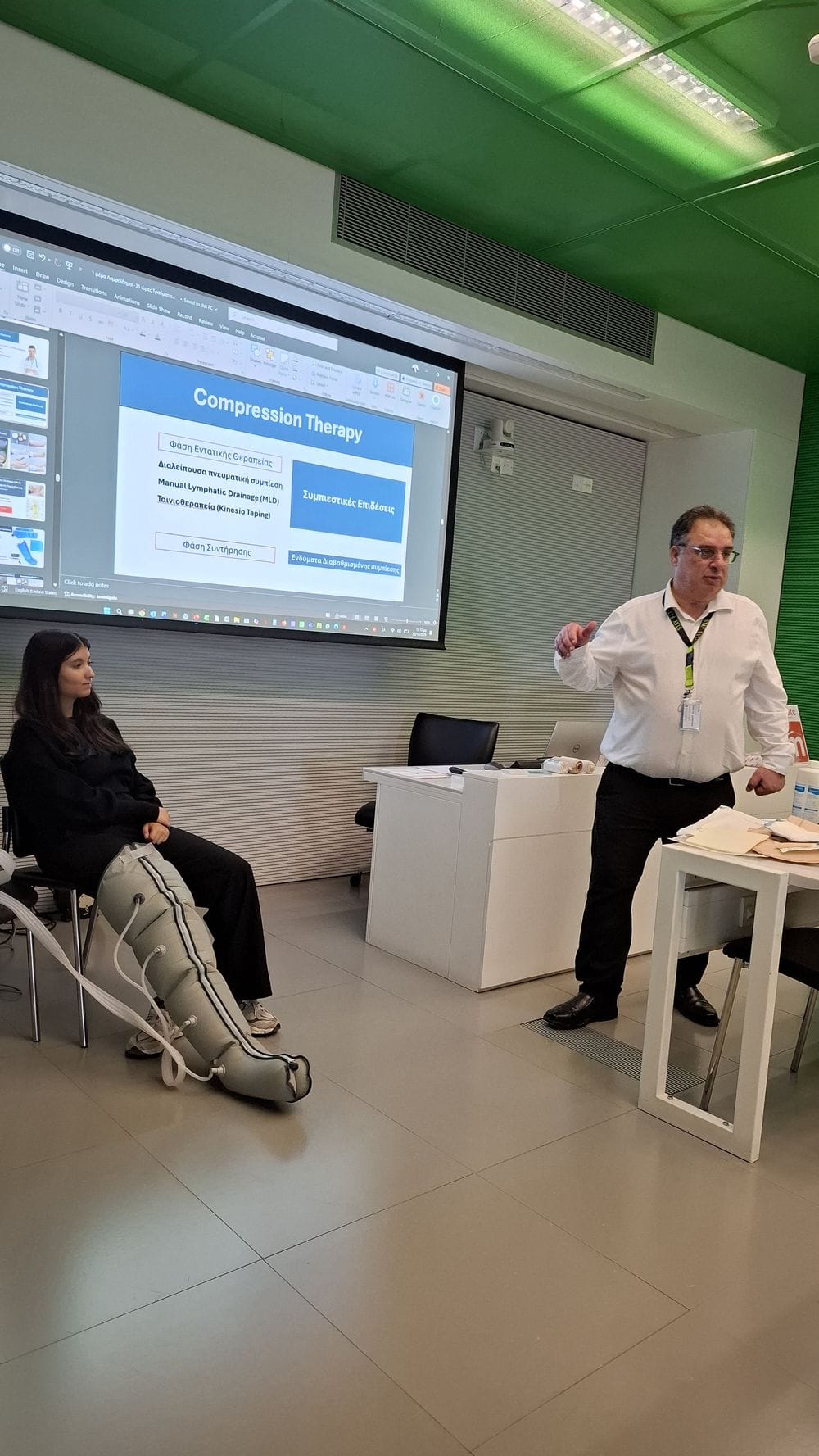
The session also considered conditions such as vasculitis and pyoderma gangrenosum. For a team accustomed to seeing leg ulcers, there is value in keeping the question of cause open. Calling a wound “chronic” tells a colleague something about its course over time. It tells them little about what caused the damage. Two professionals can use the same word while working from quite different assumptions about the problem in front of them.
Advanced dressings and negative pressure wound therapy followed vascular assessment and differential diagnosis on the programme. That sequence makes sense when teaching a team. Before discussing a dressing or a device, it helps to put its purpose into words. What are we trying to manage at this particular site? Which finding will we reassess? What do we still need to know about blood flow to the limb before deciding how to proceed?
27 October · The diabetic foot in the clinic, at home and on the move
The third day connected neuropathy, ischaemia and infection with assessment of the diabetic foot. It covered the Wagner and University of Texas classification systems, risk stratification, screening and clinical decisions about debridement. Offloading techniques and equipment were central to the session. For someone with a plantar ulcer, even the short walk from the bed to the bathroom is part of the daily routine the team needs to understand (IWGDF, 2023).
Consider a hypothetical example. A person with a plantar ulcer is spending more and more time sitting down. During a visit, the conversation might reasonably begin with how they walk and which offloading device they use. Once back in the armchair, can they shift their own weight? When they lie down, where does the heel rest? The existing ulcer and the risk of a new pressure injury each deserve assessment.
Having three professions in the same seminar mattered here. A podiatrist examining the foot, a nurse looking at the skin during a dressing change and a physiotherapist assessing movement may each notice something different. By sharing those observations, the team can offer advice that makes sense in the patient’s daily life. It can also explain to the family whom to contact about a change in the wound and whom to tell about a new difficulty with walking.
3 November · From risk assessment to protecting the heel
The fourth day focused on pressure injuries of the lower limbs. Topics included National Pressure Injury Advisory Panel staging, the Braden Scale, the SSKIN prevention model, advanced support surfaces and case studies. SSKIN brings five aspects of care into everyday practice. The team considers the support surface, inspects the skin, helps the person keep moving, manages moisture associated with incontinence and considers the person’s nutritional needs.
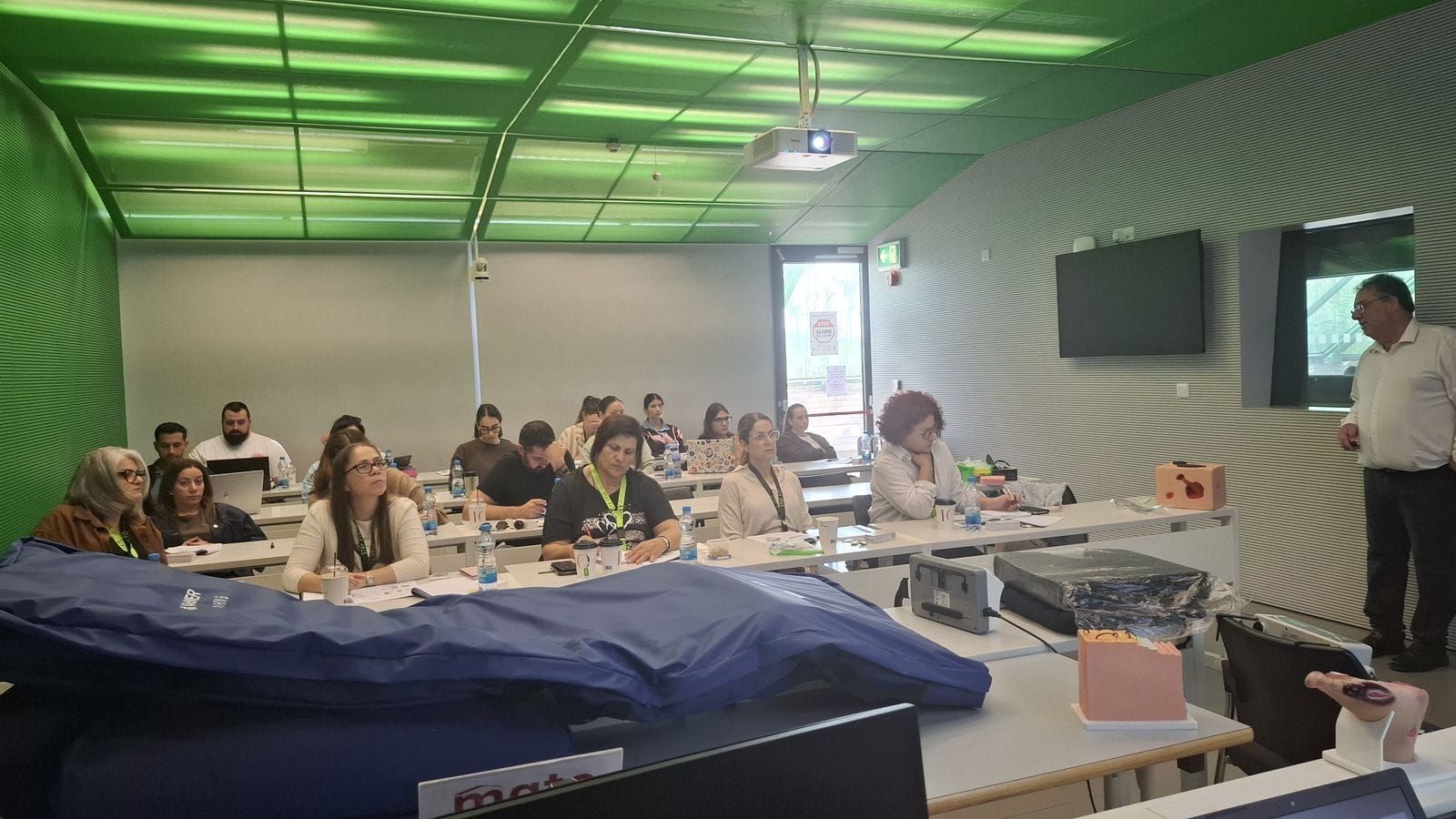
At the heel, the question is quite specific. Once the person is settled in bed, is there still pressure on the heel? The International Guideline gives particular attention to heel offloading and reassessment. A leg can move, the patient may bend a knee or a device that was comfortable earlier may no longer suit them. Looking again at the bedside tells us what is happening at that moment and gives practical meaning to the words “heel protection” in a care plan (International Guideline, 2025).
A risk score helps the team organise its observations. The next shift also needs a plain account of what happened. Which way could the person turn? Where did they feel discomfort? Did they need help to return to their original position? These details connect the assessment with the choice of position and the patient’s ability to tolerate it. They also give staff a starting point for asking what the patient finds difficult during the night.
How does the multiTURN® 6 support the care team?
ABeWER’s multiTURN® 6 combines automatic lateral turning with alternating pressure. The first function helps turn the body towards one side. The second changes the pressure in the mattress air cells in sequence. A clinician comparing an automated lateral turning mattress with a multifunction lateral turning mattress can use this distinction to check which functions a particular system offers and how its instructions describe their use.
In practice, a conversation about automated lateral patient turning starts at the bedside. Is the person comfortable in this position? How are the lower limbs supported? What will the next member of staff need to know about the turn? The choice and use of a support surface belong in an individual care plan alongside skin inspection and support for mobility (International Guideline, “Support Surfaces”).
A different need arises when the patient moves from one part of a facility to another. On the multiTURN® 6 EBT (Easy Bed Transfer), the transfer feature allows the mattress to retain air when disconnected from the pump, according to ABeWER’s product description. Retaining air during transfer is distinct from actively turning the patient. Staff preparing for a transfer should use the instructions for their particular model when disconnecting and reconnecting the system.
Prevention continues when the person sits up
Moving from bed to chair changes which parts of the body bear weight. The International Guideline recommends a seating support surface with pressure redistribution properties for people who have a pressure injury or are at risk of developing one. To see how well a seat works, it helps to observe the person in their usual chair. Are their feet supported? Can they shift their weight? Do they feel stable enough to use both hands at mealtimes? (International Guideline, “Seating”).
ABeWER’s SAFESiT® cushion is an alternating pressure seat cushion that works through multiple cycles. Its full description is the SAFESiT® multicycle alternating pressure cushion. When discussing its place in a prevention plan, it makes sense to ask where the person spends the day. Someone who sits briefly in a bedside chair has different mobility needs from someone who works, eats and gets around in a wheelchair for hours at a time. An account of an ordinary day helps the team agree on what the seating arrangement needs to achieve.
10 November · Walking again after a burn
The fifth Tuesday addressed chronic ulcers associated with burns to the lower limbs. The programme followed the course of care from assessing burn depth and extent through to local wound care, complications and rehabilitation. One topic was estimating the percentage of total body surface area affected by a burn, often abbreviated to TBSA. Pain management, dressings and the use of technology also featured in the session.
Ending with gait retraining broadened the opening question about wound healing. For the person recovering from a burn, a goal might be quite simple to describe. They may want to stand safely at the bathroom sink or walk to their own front door. Physiotherapy, occupational therapy and psychological support all featured in the rehabilitation programme. This part of care becomes clearer when we ask which activity the person most wants to get back to.
Where did artificial intelligence fit into the five sessions?
Artificial intelligence appeared at several points in the programme. In lymphoedema, the focus was on assessment and documentation. In vascular disease and diabetic foot care, the sessions explored support for risk assessment and monitoring. The pressure injury session considered language models, while the burns session included the use of AI to support estimates of the area affected.
A clinical note offers a simple way to think about the uses and limits of such a tool. A note can read well and still lack the one detail the next shift needs. If nobody examined the heel after a transfer, its condition at that point remains unknown. Good documentation makes that gap visible. A professional can then return to the bedside, examine the heel and record what they actually observed.
Three common questions about pressure injuries and dressings
What is the medical term for a bedsore?
“Pressure injury” and “pressure ulcer” are the clinical terms readers are likely to encounter. The everyday word “bedsore” can give a family the impression that the skin must first break for there to be a problem. In a Stage 1 pressure injury, the skin remains intact and shows a localised area of redness that does not fade when pressed. Its appearance can differ with skin tone. Giving the family an accurate description helps explain why a clinician pays attention to a change even while the skin is still closed (VA/DoD, 2026).
Which dressing does a pressure injury need?
A search for a dressing for a Stage 1 pressure ulcer may begin with concern about a mark someone has just noticed. The priorities are clinical assessment, relief of pressure at the site and observation of the skin. A Stage 3 injury involves full-thickness skin loss. Even with that information, a question about the best dressing for a Stage 3 pressure ulcer needs more detail. The location, amount of exudate, pain and frequency of dressing changes all enter into the decision (NICE, CG179).
Consulting pressure ulcer dressing guidelines gives the team a starting point for a conversation with the patient about the options. A Stage 4 pressure injury involves full-thickness skin and tissue loss with deeper structures such as tendon, muscle or bone exposed or directly palpable. An injury of this depth calls for specialist clinical assessment and a comprehensive management plan (VA/DoD, 2026).
How do low air loss and alternating pressure mattresses differ?
A low air loss feature uses airflow to help manage the microclimate where the body meets the support surface. Alternating pressure changes the load on different areas over time by varying pressure in the air cells. Both features can be present in a single system. Lateral turning is another function. When a family carer asks what a mattress does, a helpful answer explains the functions of that particular model in everyday language and shows where to find them in the instructions for use.
From the seminar room to the next visit
Over five Tuesdays, the same part of the body came into view from several angles. At the heel, mobility, blood supply, sensation and the pressure exerted during rest all matter. One colleague notices a difficulty with walking. Another adds an observation about the skin or asks what happens during the hours the patient spends in one position.
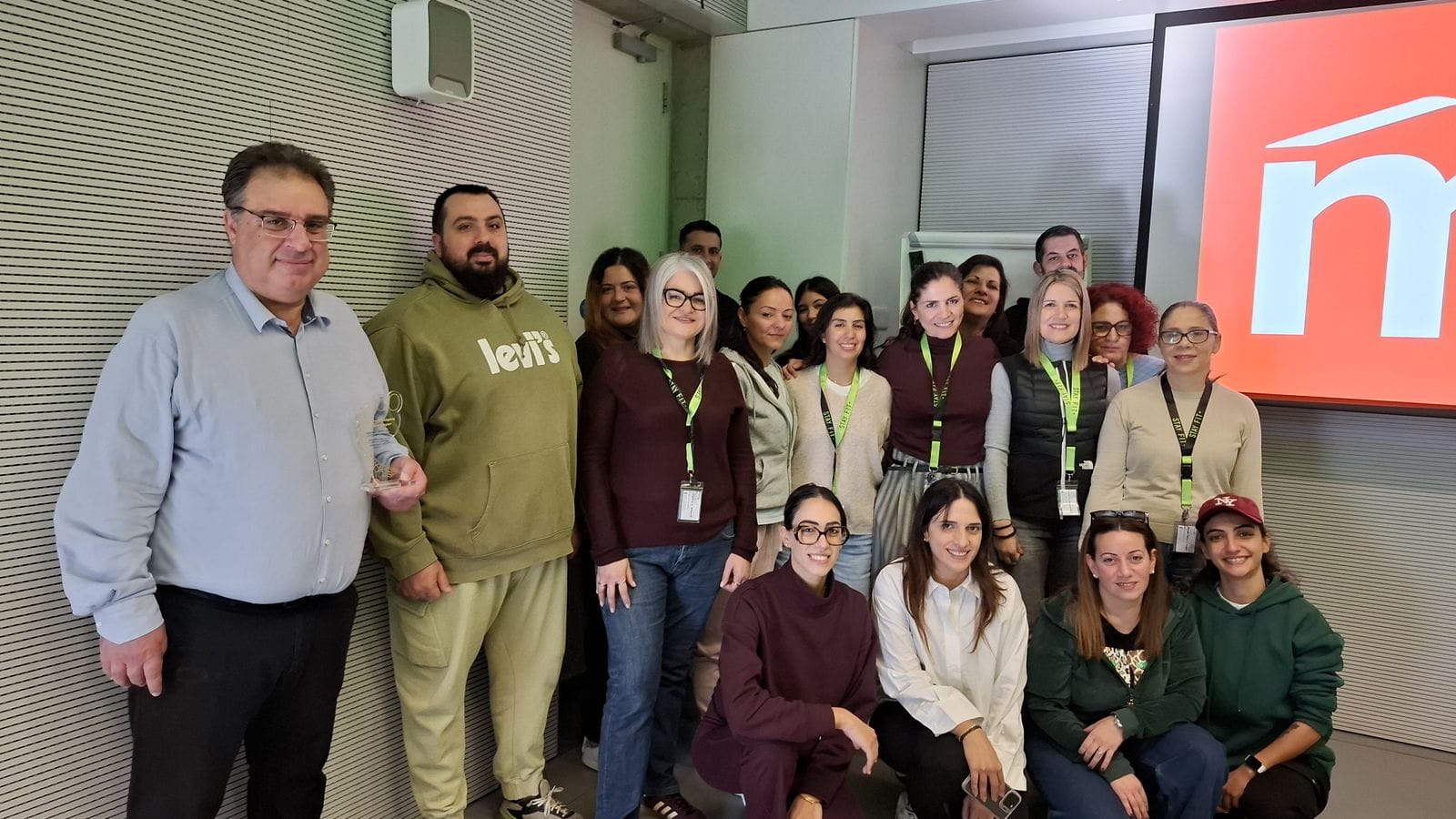
We thank MATC Academy and the podiatrists, specialist nurses and physiotherapists who took part. For those of us at ABeWER, a discussion about technology is worthwhile when it brings us back to a question we can ask on the next visit. Once we have dressed the wound and helped the person settle, we can ask, “When we leave, which movement do you find hardest?” Their answer may change what we look for when we return.
Sources and further reading
MATC Academy (2026). Course information and detailed timetable for Chronic Lower Limb Wounds, 13 October to 10 November.
IWGDF (2023). Guidelines on the prevention and management of diabetes-related foot disease.
International Guideline (2025). Heels.
International Guideline (2025). Seating.
International Guideline (2025). Support Surfaces.
NICE. Pressure ulcers: prevention and management (CG179), recommendations.
ABeWER. multiTURN® 6 EBT (Easy Bed Transfer).
Diabetic foot care in bedridden patients: heel offloading and lateral turning
Pressure injury prevention training in rehabilitation care in Nicosia
Advanced pressure injury education at EOKA Fighters’ Melathron