
Author: Christos Chapeshis
Date: September 2, 2026
Gerontologist, CEO of ABeWER
BScN, Dipl. W, Dipl. N, Dipl. CN, RN, CDTT, MScG
Inventor of the Multifunction Lateral Turning Mattress System (MLTM)
Narrative scientific review, innovation framework and translational clinical article.
Abstract
Heel pressure injury is a major and preventable threat to tissue viability, mobility and limb preservation, particularly in older adults and in people with diabetes, diabetic foot syndrome (DFS), peripheral neuropathy, peripheral artery disease, oedema, critical illness or prolonged immobility. Contemporary pressure injury science supports a multimodal prevention model rather than reliance on any single device. The most defensible clinical strategy combines structured risk assessment, heel suspension or elevation, whole-body pressure redistribution, repositioning, microclimate management, skin inspection and, in selected high-risk patients, a prophylactic multilayer soft-silicone foam dressing.
This article examines the scientific basis for combining advanced heel prophylactic dressing selection with the ABeWER multiTURN® 6 Heel Prevention Function. The multiTURN® 6 is a multifunction support-surface platform incorporating automatic lateral turning, alternating pressure, continuous low-pressure support, pressure redistribution and a dedicated heel function intended to achieve true heel suspension while supporting the lower limb along the calf. These functions correspond to several core mechanical principles contained in international pressure injury prevention guidelines.
ABeWER has publicly stated the goal of the International Pressure Care Program to reduce hospital-acquired Stage 3 and Stage 4 pressure injuries by up to 99%. In this article the programme target is an aspirational objective, not a validated clinical outcome of the ABeWER prevention programme. Peer-reviewed literature independently supports the individual elements underlying that goal: repositioning, advanced support surfaces, heel offloading, and prophylactic silicone foam multilayer dressings. ABeWER also reports a multicentre comparative white paper study of 40 patients with Stage 4 pressure injuries. The distinction between the two is maintained deliberately, to keep the science accurate while presenting the ABeWER innovation framework in full.
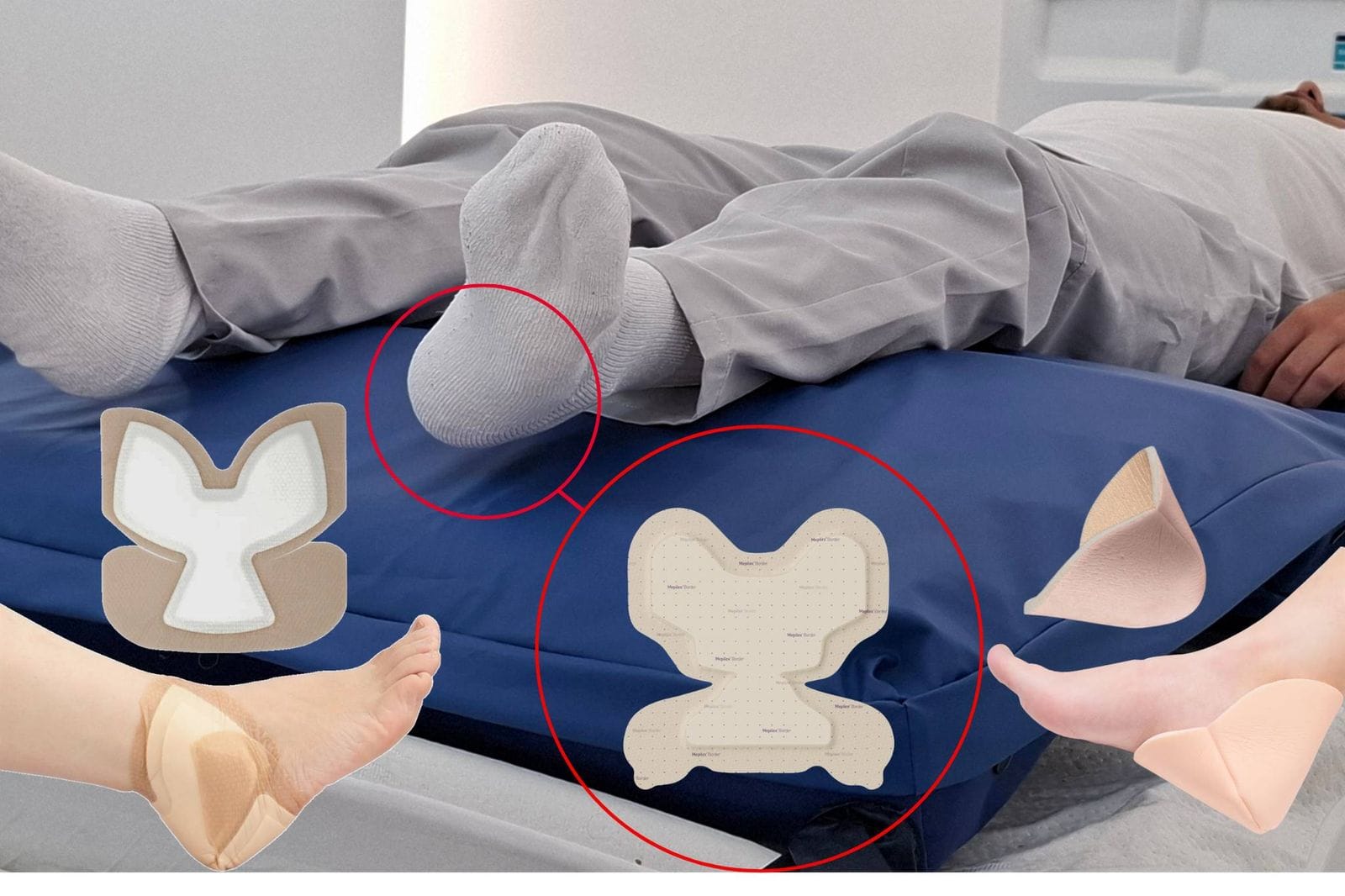
For heel-specific prophylaxis, the 2025 International Guideline suggests that when a preventive heel dressing is used, a soft-silicone adhesive multilayered foam dressing should be selected as an adjunct to heel elevation and repositioning. Products such as Mepilex® Border Heel represent this dressing class and have heel-specific anatomical designs. The combined concept is mechanistically coherent: the dressing modifies friction, shear, local deformation and microclimate at the skin interface, while the dedicated Heel Prevention Function removes direct calcaneal loading and the broader mattress system addresses the duration of whole-body loading.
The article places heel prevention inside diabetic foot and amputation-prevention pathways and sets out the roles of doctors, nurses, tissue-viability nurses, wound-care nurses, podiatrists, physiotherapists, hospitals, universities and medical distributors in the United States, Saudi Arabia, Germany, the Netherlands, Czechia, France, Italy and Great Britain. It proposes a protocol for combined dressing-plus-mattress prevention, a translational research agenda and a quality-improvement framework aimed at near-zero avoidable heel pressure injury, while maintaining vigilance for chronic limb-threatening ischaemia, acute limb ischaemia, severe diabetic foot infection and other limb-threatening conditions.
Keywords
heel pressure injury; heel pressure ulcer; heel offloading; heel suspension; prophylactic dressing; soft-silicone multilayer foam; Mepilex Border Heel; diabetic foot syndrome; diabetic foot ulcer; peripheral artery disease; chronic limb-threatening ischaemia; limb preservation; amputation prevention; pressure injury prevention; pressure ulcer; bedsore; multifunction lateral turning mattress; MLTM; ABeWER multiTURN® 6; alternating pressure mattress; continuous low pressure; tissue viability; wound care nurse; podiatrist
1. Introduction: From Dressing Choice to a Heel-Protection System
Pressure injury prevention is often discussed as though clinicians have to choose between a mattress, a repositioning schedule, an offloading device or a dressing. That framing is too narrow for the heel. The biological event that eventually becomes a visible heel pressure injury is the endpoint of interacting mechanical, vascular and patient-specific processes: pressure magnitude, duration of loading, shear deformation, friction, temperature, moisture, perfusion reserve, sensory impairment, mobility and the ability of the patient or caregiver to interrupt the loading cycle. Effective prevention therefore requires a system rather than a single product.
The heel deserves particular attention. It is a bony prominence with little tissue between the calcaneus and the external support surface. In a supine patient, especially one who is sedated, critically ill, neurologically impaired, frail or unable to move the lower limb, the heel may remain loaded for long periods. The consequences become more serious when the patient also has diabetes mellitus, peripheral neuropathy, peripheral artery disease (PAD), chronic limb-threatening ischaemia (CLTI), oedema, renal disease, malnutrition or vasopressor-dependent shock. The fourth edition of the International Guideline identifies PAD, systemic perfusion problems, vasopressor use, diabetes, friction and shear as important additional risk factors for heel pressure injury (NPIAP, EPUAP and PPPIA, 2025).
The burden of pressure injury is not theoretical. A global systematic review and meta-analysis of hospitalised adults reported a pooled pressure injury prevalence of 12.8% and a hospital-acquired pressure injury rate of 8.4%, although prevalence varies substantially by setting and patient mix (Li et al., 2020). In critical care, immobility, haemodynamic instability, devices and reduced tissue tolerance converge. The heel is repeatedly identified as a common anatomical site in hospital and intensive-care populations. These figures matter because even a superficially small heel lesion can become clinically complex in an ischaemic or neuropathic limb. The terminology applied to that lesion often determines which team takes ownership of it.
This risk intersects directly with diabetic foot syndrome. A widely cited global meta-analysis estimated diabetic foot ulcer prevalence at approximately 6.3% among people with diabetes, while more recent reviews emphasise that diabetic foot disease remains one of the most consequential chronic complications of diabetes (Zhang et al., 2017; Armstrong et al., 2023). Armstrong and colleagues estimated that approximately 18.6 million people worldwide experience a diabetic foot ulcer each year and noted that diabetic foot ulcers precede the majority of lower-extremity amputations in people with diabetes (Armstrong et al., 2023). The mortality burden after diabetic foot ulceration and amputation is also substantial (Armstrong et al., 2020). Prevention is therefore a limb-preservation priority rather than a nursing quality indicator. The specific mechanics in bedridden patients with diabetes are set out in the article on diabetic foot injury prevention in bedridden patients.
The central proposition here is that advanced heel prevention works as a combination of complementary interventions. A well-designed prophylactic soft-silicone multilayer foam dressing reduces friction and shear at the skin-dressing interface, cushions local mechanical forces, manages moisture and allows repeated skin inspection. True heel suspension removes the calcaneus from direct contact with the mattress. Whole-body pressure redistribution and automated lateral turning reduce prolonged loading at other body sites and may reduce how often a vulnerable heel returns to a high-load position. Brought together in a structured care pathway, this is more clinically coherent than relying on any isolated intervention.
The ABeWER multiTURN® 6 is a multifunction lateral-turning mattress system incorporating automatic lateral turning, alternating pressure, continuous low-pressure functions and a dedicated heel function intended to suspend the heel clear of the mattress and support the lower limb along the calf (ABeWER, 2026a; ABeWER, 2026b). International guidance supports the mechanical principles behind that design. The guidelines call for true heel clearance, avoidance of pressure on the Achilles region, load distribution along the calf, and use of prophylactic soft-silicone multilayer foam as an adjunct where resources permit (NPIAP, EPUAP and PPPIA, 2019; 2025).
This article has four aims. First, to review the evidence base for prophylactic dressings and heel offloading. Second, to place heel prevention within the diabetic foot and amputation-prevention continuum. Third, to develop a practical combination protocol in which dressing selection and the ABeWER multiTURN® 6 Heel Function are assigned distinct roles. Fourth, to propose a research programme to test the combination in appropriately selected high-risk populations.
2. Heel Pressure Injury Pathophysiology and Why the Heel Is Different
Pressure injuries are caused by sustained or intense pressure, or by pressure in combination with shear, acting on skin and underlying soft tissue. The visible surface lesion may underestimate damage occurring deeper, near the bone-muscle interface. At the heel this distinction is clinically relevant because deep tissue injury can evolve beneath apparently intact skin, especially where perfusion is compromised. A dark or purple heel in an immobile or vasculopathic patient should not be treated as a simple skin problem. It may represent deeper mechanical and ischaemic tissue injury requiring urgent reassessment of loading, perfusion and infection risk.
Mechanical loading has both magnitude and time dimensions. A modest load maintained for a prolonged period may be harmful, while a higher load may be tolerated for a shorter interval. Shear increases tissue deformation, distorts microvasculature and magnifies internal stresses. Friction acts at the surface and contributes to shear transmission, epidermal injury and loss of skin integrity. Moisture and heat modify the mechanical properties of the stratum corneum and influence vulnerability. These mechanisms explain why the ideal prophylactic dressing is not simply thick foam. The dressing has to interact beneficially with pressure, shear, friction, moisture and repeated application and removal.
Laboratory work summarised in the International Guideline found that dressing construction matters: elastic-type adhesives such as silicone, multilayer structure and dressing size all contribute to protection from shear and friction. The same guideline warns that different prophylactic dressings have different moisture-handling and thermal properties and should not be treated as mechanically equivalent (NPIAP, EPUAP and PPPIA, 2019). Brienza et al. (2022) made the same point in describing the Prophylactic Dressing Standards Initiative: wound dressings used prophylactically vary in cushioning, thermal insulation, moisture management, adhesiveness and mechanical behaviour, and existing wound-dressing standards do not fully characterise their preventive function.
The heel also differs anatomically from the sacrum. A sacral dressing is applied to a relatively broad, often flatter region. A heel dressing has to conform around a three-dimensional convexity and remain secure while the ankle moves. An inadequate design can wrinkle, migrate, create edge loading or interfere with inspection. The 2019 guideline therefore recommends considering anatomical size and design, microclimate management, application and removal, maintenance in position, ability to inspect the skin, patient comfort, allergy, friction coefficient, cost and accessibility when selecting a heel prophylactic dressing (NPIAP, EPUAP and PPPIA, 2019). That is a functional selection framework, not a brand endorsement.
Perfusion is the second major dimension. Pressure does not create tissue necrosis in isolation. It acts against the tissue’s capacity to tolerate deformation and maintain oxygen delivery. The same external load may be tolerated by a healthy mobile person yet become dangerous in an older adult with PAD, diabetes, shock or vasopressor exposure. The heel is especially vulnerable in PAD because distal perfusion reserve is already reduced. International guidance therefore requires assessment of vascular and perfusion status as part of heel assessment (NPIAP, EPUAP and PPPIA, 2019). In a diabetic foot service that means clinicians must distinguish a pressure lesion from an ischaemic lesion, recognise that both can coexist, and avoid assuming that offloading alone corrects impaired arterial inflow.
This distinction is critical for limb preservation. The ABeWER Heel Function is designed to remove continuous external heel loading and distribute support along the calf. It does not increase arterial inflow. It helps to minimise the time the skin spends under pressure. Professionals need to know that a patient with serious PAD, absent pulses, rest pain, coolness, pallor, gangrene, progressive tissue loss or suspected CLTI needs vascular assessment and, where indicated, revascularization evaluation. The Global Vascular Guidelines frame CLTI as a condition associated with major amputation, mortality and impaired quality of life requiring structured vascular assessment and evidence-based revascularization planning (Conte et al., 2019).
Neuropathy adds another layer. In diabetic foot syndrome, loss of protective sensation removes the warning system that would normally cause a patient to move a painful heel. Motor neuropathy and deformity alter loading patterns. Autonomic neuropathy may change skin quality. Visual impairment, cognitive impairment and physical disability can prevent self-inspection. The absence of pain does not reassure the clinician. An insensate heel can be at higher risk, because sustained loading continues without behavioural interruption.
The practical conclusion is that the heel should be managed as a biomechanical and vascular organ, not merely as a skin surface. Prevention must reduce direct load, reduce shear and friction, preserve microclimate, enable inspection and maintain alignment, while simultaneously identifying patients whose tissue tolerance is impaired by arterial disease, diabetes or systemic illness.
3. Evidence for Prophylactic Heel Dressings
The evidence supporting prophylactic dressings has developed over several guideline cycles. Earlier international guidance was cautious because studies were heterogeneous and many compared dressings against incompletely described standard care. The evidence base has since become consistent enough for modern guidelines to support preventive dressings as an adjunct in selected high-risk patients, while retaining appropriate uncertainty about product-specific superiority.
A pivotal randomized controlled trial by Santamaria et al. evaluated multilayer soft-silicone foam dressings applied to the sacrum and heels of trauma and critically ill patients before intensive-care admission. The international guideline reports a significant reduction in overall pressure injury incidence from 17.8% in standard care to 4.3% in the intervention group, with heel pressure injury incidence of 12.5% in the control group versus 3.1% with prophylactic dressing (Santamaria et al., 2015a; NPIAP, EPUAP and PPPIA, 2019). The trial was not blinded and the control prevention regimen was incompletely described, which limits certainty, but the magnitude and direction of effect are clinically important. A subsequent observational cohort using the same type of heel dressing also reported fewer heel pressure injuries.
Other heel-specific evidence has evaluated polyurethane foam or hydrocellular dressings. In a comparative Spanish study summarised in the international guideline, approximately 3% of patients receiving a foam prophylactic dressing developed heel pressure injury compared with approximately 44% of patients receiving a protective bandaging approach. Heel flotation was not used and the control bandage was not current best practice, so the result should not be read as a modern head-to-head comparison between optimal offloading and foam dressing (NPIAP, EPUAP and PPPIA, 2019). Forni and colleagues reported fewer heel injuries beneath lower-limb casts when polyurethane foam padding was used, again supporting a mechanical-protection concept, in a specific orthopaedic context.
The guideline also describes polyurethane film and silicone pad strategies. A within-person ICU study reported fewer heel pressure injuries on the foot protected by polyurethane film compared with the contralateral foot receiving standard care, but film lacks the cushioning and moisture capacity of multilayer foam. Small silicone-pad studies have suggested reductions in subdermal oedema or inflammation. These findings reinforce the idea that preventive materials modify the local mechanical environment. They do not establish interchangeability between dressings.
Systematic reviews and meta-analyses have generally moved in the same direction. Moore and Webster’s Cochrane review concluded that silicone dressings may reduce pressure ulcer incidence, but certainty was low at that time because of trial limitations and heterogeneity (Moore and Webster, 2018). A later meta-analysis reported that prophylactic silicone dressings reduced pressure injury incidence across intensive and non-intensive settings (Rahman-Synthia et al., 2023). Sugrue et al. (2023) reported moderate-certainty evidence that silicone dressings probably reduce pressure injuries overall compared with no dressing, although effects can differ by anatomical site and study design. More recent randomized evidence has also reminded the field that a dressing is not universally effective in every setting: some large studies in medical-surgical populations have failed to show benefit for sacral prophylactic silicone foam. That variability strengthens rather than weakens the argument for anatomical and risk-specific selection.
The fourth edition of the International Guideline, published in 2025 and current at the time of writing, represents an important refinement. It suggests that a preventive dressing may be used as an adjunct to heel elevation and regular repositioning where resources permit, and specifically suggests selecting a soft-silicone adhesive multilayered foam dressing for the heel when a preventive dressing is used (NPIAP, EPUAP and PPPIA, 2025). The certainty is rated very low, which has to be reported honestly. A conditional recommendation does not mean the intervention is ineffective. It means confidence in the effect estimate and generalisability remains limited.
For product selection, Mepilex® Border Heel is a prominent example of a heel-specific, self-adherent soft-silicone multilayer foam. The manufacturer describes it as a five-layer bordered foam dressing intended for treatment and prevention of heel pressure injuries, with a geometry designed to wrap the heel (Mölnlycke Health Care, 2026). Its relevance comes from multilayer soft-silicone foam being the dressing class with some of the strongest heel-specific trial evidence. Scientific language should nevertheless avoid converting class-level evidence into unqualified brand superiority. The trial evidence, guideline recommendation and product design together make it a rational candidate, but hospitals should still evaluate fit, skin inspection, microclimate, atraumatic removal, local formulary cost and staff competence.
Other commercially available foams include Biatain® Silicone Heel, ALLEVYN® products, Tegaderm™ Silicone Border Foam and ConvaFoam™ Silicone. Some are heel-specific; others are general anatomical dressings that may be adapted according to manufacturer instructions. The presence of silicone or foam in the product name is not enough to assume equivalent preventive performance. Brienza et al. (2022) emphasise that prophylactic dressings vary in mechanical behaviour, durability, thermal properties, moisture handling and adhesiveness. Procurement committees should therefore ask not “Is this foam?” but “What properties does this dressing demonstrate under conditions relevant to heel prophylaxis?”
A clinically useful selection matrix can be built around seven domains: anatomical fit; multilayer mechanical architecture; silicone or similarly atraumatic adhesive; moisture and vapour handling; ability to lift and replace for inspection without losing integrity; resistance to migration under ankle movement; and compatibility with the chosen heel-suspension strategy. A dressing that performs well in one domain but compromises another may be inappropriate. A very thick dressing could alter fit within a tight device. An aggressively adhesive border may damage fragile geriatric skin. A poorly conforming shape may wrinkle over the malleolus. An occlusive product may worsen microclimate.
The prevention message should therefore be precise. Prophylactic dressings are evidence-supported adjuncts, not miniature mattresses attached to the heel. They reduce local mechanical stress. They do not guarantee complete pressure elimination. A dressing applied to a heel that remains continuously compressed against the bed has not achieved the same biomechanical goal as heel suspension. The strongest clinical strategy combines local tissue protection with true offloading, and the same logic governs stage-specific dressing selection once an injury has already occurred.
4. Evidence for Heel Elevation, Suspension and Offloading
Heel elevation is conceptually simpler than dressing prophylaxis. If the heel is not in contact with the support surface, direct heel-to-mattress pressure is substantially reduced. The challenge is implementing this without transferring harmful pressure to the Achilles tendon, calf, popliteal region or other parts of the foot and ankle. A badly positioned pillow can slide, compress the Achilles region or fail to achieve true clearance. A well-designed suspension system should support the lower leg broadly, keep the calcaneus floating and permit repeated inspection.
The 2019 International Guideline issued a strong recommendation for heel elevation in at-risk patients and instructed clinicians to offload the heel completely while distributing leg weight along the calf without placing pressure on the Achilles tendon or popliteal vein (NPIAP, EPUAP and PPPIA, 2019). The 2025 edition continues this principle, stating that heels should be elevated so they are not in contact with the support surface, that a dedicated heel-offloading device should be considered, and that pillows or cushions may be used where a device is unavailable or unsuitable (NPIAP, EPUAP and PPPIA, 2025). The wording matters: the target is true heel clearance, not padding placed beneath the heel.
Randomized and comparative evidence supports heel-suspension devices. Studies summarised in the 2019 guideline found lower heel pressure injury rates with foam heel-suspension boots compared with usual care or pillows in several settings. One multicentre randomized trial among older adults transferred to hospital found fewer heel pressure injuries in the intervention group using a heel suspension device than in usual care. Another trial reported no ankle, foot or heel pressure injuries in the intervention group receiving a foam heel-suspension boot plus a pressure-redistributing surface, compared with 24% in standard care. A further randomized study reported 0% versus 41% heel pressure injuries when a foam suspension boot was compared with regular pillows in critically ill patients (NPIAP, EPUAP and PPPIA, 2019). These studies differ in design and quality, but collectively they support the principle of dedicated offloading.
A more recent randomized controlled trial by Barakat-Johnson et al. (2022) found that a heel-offloading boot reduced heel pressure injury occurrence compared with heel offloading using pillows in intensive care. That matters clinically because pillows are common, inexpensive and guideline-acceptable, but they are operator-dependent. They move during nursing care, patient agitation or automated turning. A device that maintains alignment may provide more reliable clearance, although it introduces its own risks: device-related pressure, heat, reduced mobility or non-adherence.
Offloading devices must therefore be monitored. International guidance recommends periodic removal for skin and perfusion assessment, more frequently when oedema or fluid shifts are present (NPIAP, EPUAP and PPPIA, 2019). This applies directly to any integrated mattress heel function. A system that suspends the heel must not create an invisible pressure injury elsewhere. The calf, malleoli, Achilles region and edges of the support interface all have to remain visible and assessable.
The ABeWER multiTURN® 6 Heel Function suspends the patient’s heel clear of the mattress while supporting the lower limb along the calf, and is intended to help protect the malleoli, Achilles region, plantar foot and toes during turning and sliding (ABeWER, 2026b). The scientific plausibility of this mechanism follows the offloading principles endorsed by international guidance. The integrated heel function is designed to implement guideline-concordant heel clearance, or to limit the duration of prolonged pressure, within a multifunction support surface.
An integrated function may have workflow advantages. A separate boot can be forgotten, incorrectly fitted, removed for hygiene and not replaced, or interfere with mobilisation. Pillows migrate. An integrated bed or mattress mechanism could make offloading more consistent, particularly when coupled with automated lateral turning. Those potential advantages require human-factors evaluation. Nurses have to be able to see whether the heel is truly floating. The system has to accommodate different body sizes, contractures, oedema and external rotation. Physiotherapists have to be able to mobilise the limb safely. Podiatrists and tissue-viability nurses have to be able to inspect the heel without dismantling a complex system.
The most defensible combination therefore uses redundancy in the positive sense. The mattress function maintains gross offloading and alignment. The prophylactic foam dressing protects the skin from residual friction, shear and microclimate stress. Regular clinical inspection verifies that the combined intervention is working. Redundancy is appropriate in prevention because no single layer can be assumed infallible.
5. The Diabetic Foot Syndrome Perspective: Heel Prevention as Amputation Prevention
Diabetic foot syndrome (DFS) describes a spectrum of lower-extremity pathology associated with diabetes, including neuropathy, ulceration, infection, ischaemia, Charcot neuro-osteoarthropathy and amputation risk. A heel pressure injury sits within this spectrum when it occurs in a person with diabetes, because a seemingly small area of mechanically induced tissue damage can become a portal to infection, deeper necrosis, osteomyelitis or limb-threatening ischaemia. The same patient may have neuropathy and PAD together, which makes early signs less painful and healing less reliable.
Global epidemiology illustrates the scale. Zhang et al. (2017) estimated global diabetic foot ulcer prevalence at 6.3%. Armstrong et al. (2023) estimated that approximately 18.6 million people worldwide are affected by diabetic foot ulcer each year, including approximately 1.6 million in the United States, and noted that diabetic foot ulcers precede most diabetes-associated lower-extremity amputations. Mortality after ulceration and amputation is high: pooled estimates reported by Armstrong et al. (2020) place five-year mortality around 30% after diabetic foot ulcer and substantially higher after major amputation. These figures justify the language of acting against amputation only where it refers to evidence-based prevention, screening, vascular care, infection management and multidisciplinary limb salvage, and not as a product slogan detached from clinical pathways.
The International Working Group on the Diabetic Foot (IWGDF) emphasises repeated risk assessment, screening for neuropathy and PAD, patient education, protective footwear and offloading, treatment of pre-ulcerative lesions and integrated foot care for high-risk patients (IWGDF, 2023). A bedridden patient is a special case, because conventional plantar loading from walking may be absent while posterior heel loading from bed rest becomes dominant. In this population, diabetic foot prevention has to extend beyond shoes and gait to include the support surface and heel position.
The phrase “diabetic foot prevalence” can also obscure clinical heterogeneity. Not every person with diabetes is equally vulnerable to a heel pressure injury. A newly diagnosed, mobile person with intact sensation and palpable pulses has a very different risk profile from an older patient with end-stage renal disease, neuropathy, previous ulcer, previous minor amputation and severe PAD who is admitted with pneumonia and becomes immobile. The second patient may simultaneously meet criteria for pressure injury prevention, diabetic foot surveillance and vascular assessment. This is where hospital protocols often fail: separate teams focus on their own labels while the heel deteriorates at the intersection.
A limb-preservation approach creates one shared question: what threatens tissue viability today? The answer may include sustained pressure, shear, neuropathy, arterial insufficiency, infection, oedema and malnutrition. The intervention has to target each identified threat. The mattress and heel function address mechanical load. The prophylactic dressing addresses local shear, friction and microclimate. Vascular services address perfusion. Infectious-disease and surgical teams address infection. Podiatry addresses foot-specific risk and biomechanics. Physiotherapy addresses mobility and contracture. Dietetics addresses nutritional deficits. Nursing performs continuous surveillance.
This multidisciplinary concept is especially important for heel eschar. A dry, stable heel eschar in an ischaemic limb should not be approached as routine soft necrotic tissue. The international pressure injury guideline stresses vascular assessment and cautions against debriding stable heel eschar in untreated peripheral vascular disease unless infection changes the risk-benefit calculation (NPIAP, EPUAP and PPPIA, 2019). In a patient with suspected infection, fluctuance, drainage, erythema, systemic illness or rapidly progressive tissue damage, urgent specialist assessment is required. A prevention device is not a treatment for necrotising infection or CLTI.
The proposed dressing-plus-multiTURN® 6 strategy is therefore most valuable before tissue failure. Its ideal endpoint is not healing a heel ulcer but maintaining intact, perfused skin in a patient who is predictably exposed to risk. Once ulceration occurs, the clinical pathway changes from prevention to diagnosis and treatment, including wound classification, perfusion assessment, infection work-up, offloading and, where indicated, revascularization and surgery.
Amputation prevention should also be described with epidemiological humility. A heel prevention bundle can plausibly reduce one upstream cause of tissue breakdown, but lower-extremity amputation is a downstream event influenced by arterial disease, infection severity, renal failure, ulcer depth, access to care and revascularization. No prophylactic dressing or mattress can independently guarantee amputation avoidance. The evidence-based claim is that preventing avoidable heel tissue injury removes one preventable step in the pathway toward ulceration and limb loss.
6. Why Combination Therapy Is Scientifically Coherent
The word “combination” here should not imply pharmacological synergy demonstrated in a factorial trial. It describes complementary mechanical functions operating at different interfaces. The heel suspension system targets direct external loading. The prophylactic dressing modifies the local skin-interface environment. Automated lateral turning and alternating-pressure functions address whole-body pressure duration and redistribution. Repositioning, skin care and nutritional management address further components. Because the mechanisms are not identical, combining them is biologically plausible and consistent with guideline logic.
This distinction matters when comparing two common clinical errors. In the first, staff apply a high-quality prophylactic dressing but leave the heel resting on the mattress continuously. The dressing may reduce friction and shear, yet sustained direct load remains. In the second, staff elevate the heel but allow the limb to rotate, so the malleolus bears against a hard surface, or they place the calf on a support that creates an Achilles pressure point.
The 2019 guideline states explicitly that prophylactic heel dressings should be considered adjuncts to positioning and elevation, and notes that available studies did not establish that dressings replace heel elevation (NPIAP, EPUAP and PPPIA, 2019). The 2025 guideline retains the same hierarchy: heel elevation and offloading and repositioning are foundational, while preventive dressing use is conditional and adjunctive (NPIAP, EPUAP and PPPIA, 2025). This hierarchy supports a combined protocol and prevents overclaiming.
A useful conceptual model is the mechanical protection stack.
| Layer | Mechanism | Owner |
|---|---|---|
| 1. Patient movement | Spontaneous mobility and assisted repositioning interrupt exposure time | Nursing, physiotherapy, patient |
| 2. Whole-body support surface | Redistributes pressure, manages immersion, envelopment and microclimate | multiTURN® 6 platform |
| 3. Targeted heel suspension | Aims for complete calcaneal clearance with load along the calf | multiTURN® 6 Heel Function |
| 4. Prophylactic dressing | Reduces residual local stress, friction and moisture-related vulnerability | Soft-silicone multilayer foam |
| 5. Surveillance | Frequent skin and vascular assessment detects failure before irreversible damage | Nursing, tissue viability, podiatry |
| 6. Systemic care | Nutrition, hydration, glucose management, perfusion optimisation | Dietetics, medicine, vascular |
| 7. Escalation | Urgent treatment of infection or ischaemia | Surgery, infectious disease, vascular |
The ABeWER multiTURN® 6 sits mainly within layers 2 and 3, combining automatic lateral turning, alternating pressure and continuous low pressure with heel-specific suspension (ABeWER, 2026a). A heel-specific soft-silicone multilayer foam such as Mepilex® Border Heel sits within layer 4. Nurses, tissue-viability nurses, wound-care nurses and podiatrists operate layer 5. No layer should be used to excuse failure in another.
Combination strategies also need compatibility testing. A heel dressing alters the geometry of the heel and ankle. Used with a suspension function, clinicians should verify that the dressing does not bunch, increase focal pressure, impair circulation or create a tight band around an oedematous ankle. The dressing must remain accessible for inspection. If the support system uses moving air cells or lateral tilt, the dressing has to remain stable during motion. Staff should inspect the malleoli, because lateral turning shifts the contact pattern even when the calcaneus is offloaded.
The principle of do no harm also applies to fragile skin. Older adults, people receiving corticosteroids, those with chronic oedema and patients with dermatological disease may suffer medical-adhesive related skin injury. Soft silicone is attractive because it is generally associated with atraumatic removal, but technique still matters. Removal should be slow, low and supported. The skin should be stabilised. Repeated unnecessary changes should be avoided. The dressing should be changed when soiled, loosened or excessively moist, or according to manufacturer instructions, rather than on an arbitrary frequent schedule.
Combination therapy should be individualised. A mobile patient who independently lifts the heels may not need a continuous integrated suspension intervention. A patient with severe spasticity may require additional alignment support. A patient with severe PAD and rest pain may need urgent vascular assessment before any protocol continues. A patient with an existing Stage 3 heel pressure injury requires treatment as well as prophylaxis. The protocol should therefore define eligibility and exit criteria.
7. Advanced Dressing Selection for the Heel: An Evidence-Based Formulary Framework
Hospitals should resist procurement processes that rank heel dressings solely by acquisition price. The relevant question is not which foam is cheapest per unit, but which dressing provides the most appropriate preventive performance in the intended patient population while minimising adverse skin effects, nursing time and the treatment costs of failed prevention. A formulary should specify desired performance characteristics before comparing brands.
First, anatomical conformity. A heel-specific dressing should cover the posterior calcaneal area and vulnerable margins without wrinkling, constricting the ankle or creating bulky folds near the malleoli. Heel geometry changes with plantarflexion and dorsiflexion, so the dressing has to tolerate movement. Mepilex® Border Heel and Biatain® Silicone Heel are examples of products marketed with heel-specific geometry; other silicone foams may be adapted to the heel according to manufacturer instructions.
Second, multilayer mechanical design. Laboratory studies and guideline summaries indicate that multilayer construction helps absorb or redistribute shear and friction forces. The protective effect is not simply thickness: different layers serve transfer, absorption, spreading and retention functions. The exact contribution of each layer varies between products, which is one reason the Prophylactic Dressing Standards Initiative seeks standardised performance methods (Brienza et al., 2022).
Third, adhesive technology. Silicone adhesives are commonly preferred for prophylaxis because they support secure fixation while allowing repeated lifting and replacement with less epidermal trauma than more aggressive adhesives. This matters particularly in gerontology, where skin is thinner, more fragile and more vulnerable to stripping. Soft silicone does not remove the need for correct removal technique or allergy assessment.
Fourth, microclimate. A dressing that traps sweat or exudate creates a moist, warm interface that alters skin mechanical properties. The 2019 guideline includes microclimate management among selection criteria. In an incontinent, febrile or heavily perspiring patient, dressing performance may differ from that in a dry elective-surgery patient. The clinician should consider moisture-vapour transmission, absorbency, edge seal and frequency of inspection.
Fifth, visual and physical access to the heel. This one is not negotiable. Prevention can fail silently beneath an opaque dressing if staff assume the covered skin is protected. International guidance recommends regular skin assessment under the dressing and replacement if the dressing becomes loose, wet or soiled (NPIAP, EPUAP and PPPIA, 2019). A hospital protocol should define responsibility for inspection at least daily, and more often in high-risk or unstable patients.
Sixth, compatibility with offloading. The dressing should not materially increase pressure within a close-fitting heel boot or interfere with an integrated heel-suspension function. A very bulky dressing can become a device-related risk in itself. Compatibility should be evaluated in a simulated-use test before formulary adoption, ideally across different leg sizes and common clinical positions.
Seventh, evidence transparency. Products supported by peer-reviewed randomized studies, biomechanical testing and clear instructions for prophylactic use should be distinguished from products marketed generically as foam. That does not mean only one brand can be used. It means claims should match evidence.
A pragmatic formulary could classify options in four tiers. Tier A: heel-specific soft-silicone adhesive multilayer foam dressings intended for prophylaxis and compatible with repeated inspection. Tier B: general silicone-bordered multilayer foam dressings with sufficient conformability for heel application. Tier C: non-foam protective interfaces, films or silicone pads for selected circumstances where thickness or moisture requirements differ. Tier D: non-prophylactic wound dressings used for existing open wounds, which should not be conflated with preventive products.
Mepilex® Border Heel fits within Tier A because it is heel-specific and belongs to the multilayer soft-silicone foam class supported by guideline recommendations and clinical trial literature. Biatain® Silicone Heel is another heel-shaped silicone foam option. ALLEVYN® LIFE, ALLEVYN® Gentle Border and other bordered foams may be useful in appropriate anatomical configurations, while Tegaderm™ Silicone Border Foam and ConvaFoam™ Silicone are further commercial alternatives. Because direct head-to-head preventive trials between all these products are limited, procurement committees should not declare superiority without comparative evidence.
The role of medical distributors is important but bounded by clinical governance. Distributors support availability, staff training, stock rotation and product education. They should not independently determine clinical eligibility or make unverified outcome claims. Tissue-viability and wound-care teams should lead formulary decisions using evidence, patient safety, local incidence data and cost-effectiveness analysis.
8. The ABeWER multiTURN® 6 Heel Function Within a Multifunction Support-Surface Strategy
The ABeWER multiTURN® 6 was developed within the Multifunction Lateral Turning Mattress (MLTM) concept invented by Christos Chapeshis. The system is a multifunction mattress platform rather than a conventional alternating-pressure mattress. Its described functions include automatic lateral turning, alternating pressure, continuous low-pressure support, pressure redistribution and a dedicated heel-suspension and heel-prevention function. This architecture is clinically relevant because pressure injury is a dynamic exposure problem in which both magnitude and duration of mechanical loading matter.
Alternating-pressure systems cyclically change support pressures beneath the body. Reactive and active support surfaces have long been used to reduce pressure injury risk, but support surfaces do not remove the need for individualised repositioning. Cochrane and other systematic reviews have repeatedly concluded that higher-specification and active surfaces may reduce pressure injury compared with standard mattresses, while certainty varies by comparison and technology. The comparison between lateral rotation and alternating pressure mattresses sets out where each mechanism acts.
Automated lateral turning introduces another dimension by changing body orientation. In principle it reduces the duration of sustained loading over a single region and reduces reliance on manual turning alone. That is particularly useful where staffing, patient weight, pain, sedation or instability make frequent manual turning difficult. Automated turning can also create new contact patterns: the lateral malleolus, knee, trochanter or shoulder may become more exposed. A safe system therefore requires position-specific surveillance.
The important point is that a lateral and alternating pressure support surface on its own is one component of a prevention bundle, not a replacement for assessment and care. The multiTURN® 6 MLTM system is built to add prevention strategies on top of that base, and the next-generation system overview describes how those functions were arrived at.
The heel function is relevant because heel loading does not necessarily disappear when the trunk is turned. The lower limb can slide, rotate, or remain in contact with the mattress. A dedicated mechanism that keeps the calcaneus suspended while distributing support along the calf could preserve heel clearance across multiple bed positions. The ABeWER multiTURN® 6 Heel Function is intended to keep the heel clear and to help protect the malleoli, Achilles region, sole and toes during automated turning (ABeWER, 2026b). These design intentions align with guideline principles.
The multiTURN® 6 is a powered mattress and support-surface system designed for use on medical beds, either as an integrated system or as an overlay combined with a 6 to 8 cm underlay foam mattress, depending on the bed structure and the patient’s condition. It can also be used on an ordinary home bed. Day-to-day care for patients with limited mobility covers what that looks like at the bedside.
A particularly relevant human-factors question is whether integration reduces missed care. In real hospitals, prevention fails not only because interventions are ineffective but because they are not applied reliably. A boot gets removed and not replaced. A pillow slides. A turning schedule is delayed during an emergency. A dressing stays in place without inspection. An integrated system could improve reliability by automating some mechanical actions. The research agenda should therefore measure adherence and workflow, not only pressure injury incidence.
For high-risk diabetic foot patients, the combined mattress-and-dressing strategy may offer an attractive pathway: the support surface addresses global and heel-specific mechanical exposure while the dressing protects the heel skin. The diabetes-specific risks of neuropathy, PAD, infection and deformity still require separate assessment. The system is a platform for care rather than a substitute for the diabetic foot team, although it can support that team with additional prevention strategies.
9. Proposed Clinical Protocol: Dressing Plus multiTURN® 6 Heel Function
A combination protocol should be written in operational language that nurses and allied health professionals can use consistently. The framework below is proposed for adult hospital, rehabilitation and long-term care settings. It is a translational protocol derived from guideline principles. It has not yet been validated as a complete bundle in a randomized trial.
- Risk identification. Screen every patient with limited mobility for pressure injury risk on admission and after major changes in condition. High-risk heel features include inability to reposition the legs, diabetes, neuropathy, PAD, shock, vasopressor exposure, oedema, previous heel injury, previous foot ulcer or amputation, critical illness and significant friction or shear exposure. The 2025 International Guideline specifically highlights PAD, systemic perfusion problems, vasopressors, diabetes and friction or shear as heel-related risk factors (NPIAP, EPUAP and PPPIA, 2025).
- Lower-limb assessment. Inspect the heel, malleoli, Achilles region, plantar foot, toes and calf. Assess temperature, colour, oedema, capillary refill where appropriate, pedal pulses and symptoms suggestive of ischaemia. In diabetes, assess neuropathy and known ulcer or amputation history. Where PAD is suspected, obtain appropriate vascular testing within the limits of the clinical setting. If CLTI is suspected, urgent vascular evaluation supersedes routine prevention.
- Immediate true heel clearance. Activate or configure the multiTURN® 6 Heel Function according to the manufacturer’s instructions and verify visually and manually that the calcaneus is clear of the mattress and remains free of prolonged pressure. Confirm that support is distributed along the calf, that there is no concentrated pressure at the Achilles tendon or popliteal region, and that the system continues to reduce prolonged pressure in those areas.
- Prophylactic dressing selection. For a high-risk patient with intact heel skin and no contraindication, consider a heel-specific soft-silicone adhesive multilayer foam dressing. Mepilex® Border Heel is one example; other equivalent-category products can be used according to formulary policy. Apply to clean, dry skin without stretching. Avoid wrinkles and excessive overlap. Ensure the border does not constrict an oedematous ankle.
- Compatibility verification. With the dressing in place and the Heel Function activated, reassess the complete lower limb. Ensure the dressing has not altered heel clearance, created new pressure at the malleoli or Achilles region, or interfered with mattress movement. Observe the limb through at least one automated turning cycle where clinically appropriate.
- Whole-body pressure redistribution. Configure the multiTURN® 6 support-surface functions according to patient weight, clinical condition and manufacturer instructions. Automated turning should supplement clinical repositioning judgement rather than abolish it. Positions contraindicated by surgery, haemodynamic instability, fractures or respiratory status require individualised adjustment.
- Scheduled inspection. Lift the dressing and inspect the heel at least daily, and more frequently in critically ill, oedematous or unstable patients. Inspect the calf and malleoli, because new device-related pressure can occur away from the heel. Document non-blanchable erythema, temperature change, induration, bogginess, purple or maroon discoloration, blistering or skin breakdown. Reassess perfusion if tissue appearance changes.
- Dressing maintenance. Replace the dressing if it becomes loosened, displaced, excessively moist, soiled or damaged, and according to manufacturer instructions. Do not change a stable prophylactic dressing more frequently than necessary solely to satisfy a routine schedule, because repeated adhesive removal damages fragile skin.
- Mobilisation review. Physiotherapists and nurses should determine when the patient can safely resume active lower-limb movement, sitting, standing or walking. Heel suspension should not unnecessarily immobilise a patient who could otherwise mobilise. The prevention plan should change with activity level.
- Escalation. Any rapidly progressive discoloration, crepitus, spreading erythema, systemic toxicity, new severe pain, cold pulseless foot, rest pain, gangrene, purulent drainage or suspected deep infection requires urgent medical assessment. In a diabetic patient, infection and ischaemia progress rapidly and can end in amputation if delayed.
The protocol should be embedded in the electronic health record with structured fields for heel clearance, dressing type, inspection result, vascular concerns and escalation. A photographic baseline may be useful where local policy and consent permit. Compliance audits should measure not only whether a dressing was present but whether the heel was truly offloaded and inspected.
10. Multidisciplinary Responsibilities
Heel prevention is strongest when responsibility is shared but accountability is clear. The bedside nurse has the greatest continuous exposure to the patient and therefore holds a central role. Nurses should verify heel clearance, inspect the skin, maintain dressings, document changes and escalate abnormalities. That responsibility is examined in more depth in the nurse’s role in pressure ulcer prevention. Tissue-viability nurses and wound-care nurses provide specialist assessment, formulary guidance, education and governance, particularly for patients with fragile skin, existing pressure injury or recurrent prevention failure.
Podiatrists bring expertise in diabetic foot syndrome, neuropathy, deformity, plantar and posterior foot loading, callus, previous ulceration and footwear and offloading transitions. Their involvement is particularly valuable when a patient moves from bed rest to weight bearing, because preventing a posterior heel injury in bed should not be followed by creating a plantar ulcer during rehabilitation. Podiatrists also help distinguish pressure-related lesions from neuropathic, ischaemic or mixed-aetiology foot ulcers.
Physiotherapists contribute mobility assessment, positioning, contracture management and safe progression from bed to chair and walking. They can identify whether a heel-suspension configuration restricts movement, contributes to foot drop or conflicts with rehabilitation goals. Occupational therapists contribute positioning and equipment expertise, particularly in long-term care and home settings.
Vascular surgeons and vascular medicine specialists are essential when PAD or CLTI is suspected. The presence of a sophisticated mattress or prophylactic foam dressing must never delay revascularization assessment. The Global Vascular Guidelines emphasise the high stakes of CLTI and support structured staging and revascularization decision-making (Conte et al., 2019).
Diabetologists, endocrinologists and internal-medicine teams manage glycaemic status and systemic comorbidity. Infectious-disease specialists and surgeons become critical when a diabetic heel lesion is infected, particularly where deep tissue, bone or necrotising infection is possible. Orthopaedic and foot-and-ankle surgeons may be required for deformity, osteomyelitis or reconstructive procedures. Dietitians address malnutrition and protein-energy deficits that reduce tissue tolerance and healing capacity.
Medical distributors have a legitimate role in implementation but should operate under hospital clinical governance. They can train staff in device operation and dressing application, support maintenance and ensure supply continuity. They should not substitute commercial education for independent clinical education. Product-specific training must be separated from claims about clinical outcomes. The ABeWER distributor network operates on that basis.
Hospital leadership must provide governance, staffing and data systems. A pressure injury prevention programme that purchases advanced technology but does not train staff, audit use or investigate adverse events is incomplete. Procurement should be linked to clinical indicators: heel pressure injury incidence, severity, time to injury, nursing workload, dressing utilisation, adverse skin events and cost per prevented injury.
University collaboration strengthens this ecosystem. Academic hospitals and universities can help design prospective studies, perform independent statistical analysis, validate biomechanical endpoints and publish results regardless of whether they favour the product. For an innovation such as the multiTURN® 6, that independence is essential if the technology is to move from a promising manufacturer-developed system to a mature evidence-based intervention. The engineering side of that work sits with the ABeWER research and development department.
11. International Implementation: United States, Saudi Arabia and Europe
The biological principles of heel prevention are international, but implementation has to respect differences in regulation, staffing, procurement and care pathways. A strategy intended for hospitals in the United States, Saudi Arabia, Germany, the Netherlands, Czechia, France, Italy and Great Britain should not assume identical terminology or reimbursement structures.
In the United States, pressure injuries are strongly linked to hospital quality, nursing governance and risk management. Tissue-viability terminology is less common than wound, ostomy and continence nursing, but the underlying functions overlap. Hospitals evaluating a multifunction support surface should involve nursing, wound care, biomedical engineering, infection prevention, supply chain and value-analysis committees. Claims made in commercial materials must match the device’s regulatory status and its cleared or registered intended use.
Saudi Arabia has rapidly expanding tertiary hospitals, rehabilitation centres and diabetes services. The high burden of diabetes makes diabetic foot and amputation prevention strategically important. Implementation should involve diabetic foot clinics, vascular surgery, podiatry where available, wound-care nursing, rehabilitation and hospital procurement. Training materials should be culturally and linguistically appropriate and should distinguish pressure injury from diabetic neuropathic or ischaemic ulceration.
Germany has a strong tradition of structured wound care, rehabilitation and lymphology, with many patients carrying oedema or lymphoedema that complicates device fit and skin tolerance. Heel suspension protocols there should include oedema assessment and frequent inspection of the calf support zone. German hospital adoption also requires careful compliance with European MDR obligations and local medical-device governance.
The Netherlands has longstanding multidisciplinary diabetic foot and vascular care traditions. Integration with existing diabetic foot pathways matters more than creating a parallel pressure injury service. The heel protocol can be positioned as an extension of foot protection for immobile patients, with podiatry, rehabilitation and vascular expertise involved early.
Czechia, France and Italy each have strong hospital and rehabilitation systems but differing procurement practices. A multicentre European study across these countries would be scientifically valuable because it would test generalisability across different nursing models and patient populations. Italy also has historical heel-dressing research cited in international guidelines, which provides relevant academic context.
In England and the wider Great Britain context, tissue viability nursing is a well-established clinical specialty. The proposed combination protocol fits naturally within tissue-viability governance, but adoption should be linked to NHS-style value assessment, local formulary policy and transparent evaluation of nursing workload and pressure injury outcomes. The term bedsore remains familiar to the public but is less precise scientifically than pressure ulcer or pressure injury.
Across all these countries, medical distributors should support clinical governance rather than replace it. International expansion should begin with standardised training, competency assessment and post-market surveillance. Country-specific marketing should never convert a technical feature into an unsupported clinical statistic. Where the 99% prevention target is used in strategic messaging, the associated material should state clearly that this is a research objective until validated in prospective studies.
12. The ABeWER 99% Prevention Objective: Scientific Interpretation and Evidence Boundaries
The phrase “99% prevention” requires precise scientific definition. ABeWER publicly states that its International Pressure Care Program aims to substantially reduce Stage 3 and Stage 4 pressure injuries. In this manuscript that figure represents the ABeWER programme-level prevention objective and performance claim, rather than a pooled effect size derived from 40 independent peer-reviewed randomized trials. The distinction is essential, because prevention can be expressed as absolute risk reduction, relative risk reduction, percentage of patients remaining injury-free or reduction in severe-stage events, and those metrics are not interchangeable.
The scientific rationale behind the objective is nevertheless built from multiple evidence-supported components. International guidelines endorse individualised repositioning, appropriate support surfaces, true heel offloading, systematic skin assessment and selected use of prophylactic dressings. Randomized studies of multilayer soft-silicone foam dressings have reported substantial reductions in sacral and heel pressure injuries. The Border Trial reported heel pressure injury in 3.1% of patients receiving the prophylactic dressing intervention compared with 12.5% under standard prevention. Randomized studies of heel-suspension devices and offloading boots have likewise demonstrated clinically meaningful reductions in heel pressure injuries compared with pillows or usual care in selected high-risk populations.
ABeWER’s own published materials describe a prospective, controlled, multicentre white paper study involving 40 high-risk patients with Stage 4 pressure injuries, with ten patients allocated to each of four mattress-technology groups. ABeWER reports 100% healing or clinical improvement and zero deterioration in the multiTURN® 6 group. Because this is a company-published white paper rather than a peer-reviewed randomized clinical trial, it should be interpreted as manufacturer-generated clinical evidence and should not be counted as 40 separate studies.
The strongest scientifically defensible formulation is therefore this. ABeWER has established a 99% severe-pressure-injury prevention objective within its holistic pressure care programme, and the multiTURN® 6 integrates several mechanisms individually supported by pressure injury science. Independent replication in large, peer-reviewed multicentre trials would be needed before 99% could be described as a universally generalisable device-specific effect. This formulation does not diminish the innovation. It defines exactly what has been established, what is manufacturer-reported and what should be tested next.
For hospital implementation, a near-zero prevention programme should measure the exact denominator and observation period, verify baseline pressure injury incidence, independently adjudicate new heel injuries, capture Stage 1 and deep tissue injuries, and stratify outcomes by diabetes, PAD, frailty and critical illness.
13. Proposed Multicentre Clinical Trial
A pragmatic multicentre randomized controlled trial would provide the clearest test of the combined strategy. The proposed population is adults admitted to acute, intensive care, rehabilitation or high-dependency units who are unable to reposition the lower limbs independently and are judged at high risk of heel pressure injury. Enrichment criteria could include age over 65 years, diabetes, neuropathy, PAD, vasopressor exposure, previous foot ulcer, previous amputation, renal disease, oedema or a high validated pressure injury risk score.
Patients with an existing Stage 2 or greater heel pressure injury at baseline should be excluded from the primary prevention cohort because they require treatment rather than prophylaxis. Patients with suspected acute limb ischaemia, untreated CLTI requiring urgent intervention, necrotising infection or unstable fractures should be excluded, or enrolled only in separate safety cohorts. Stage 1 changes could be handled in a prespecified subgroup depending on protocol objectives.
The control arm should receive contemporary guideline-concordant prevention: risk assessment, repositioning, an appropriate pressure-redistributing support surface, heel elevation or suspension and usual skin care. The intervention arm should receive the multiTURN® 6 configured according to protocol with the dedicated Heel Function, plus a heel-specific soft-silicone multilayer prophylactic dressing. To isolate the incremental effect of the dressing plus integrated function, the control should use a high-quality conventional support surface and standard heel offloading.
A factorial design could answer more questions: standard support surface versus multiTURN® 6, with or without prophylactic soft-silicone heel dressing. Four groups would allow estimation of the independent and combined effects and test interaction. That design requires a larger sample and careful operational control.
The primary endpoint should be new heel pressure injury of Stage 2 or greater, because Stage 1 erythema is subject to inter-rater variability. A co-primary endpoint could include any new heel pressure injury, including deep tissue injury. Secondary endpoints should include time to injury, severity, bilateral versus unilateral lesions, medical-adhesive related skin injury, malleolar or calf device-related injury, pain, patient comfort, nursing time, number of manual turns, dressing consumption, length of stay and cost.
Diabetes-specific secondary outcomes matter. These could include new diabetic foot ulceration, infection, osteomyelitis, vascular referral, revascularization and lower-extremity amputation, although the trial may not be powered for amputation. Baseline WIfI staging could be collected where CLTI is present, and IWGDF risk category recorded for diabetic participants.
Biomechanical substudy endpoints could include heel interface pressure, calf pressure distribution, shear proxies, microclimate, subepidermal moisture and skin temperature. Those measures could clarify mechanism even if clinical event rates are low. A human-factors substudy could measure setup errors, time to apply the dressing, time to activate heel suspension, device interruptions and staff acceptance.
Blinding of bedside staff is impossible, but outcome adjudication can be blinded. Photographs should be coded and reviewed by independent experts unaware of treatment allocation. Training should standardise pressure injury classification. A data safety monitoring structure should review adverse events, especially device-related injury or falls associated with mobility transitions.
Economic analysis should be prospective. The cost of the mattress system, dressings, maintenance and staff training should be balanced against the costs of treating heel pressure injuries, extended hospital stay, surgery and downstream diabetic foot complications. Santamaria et al. reported cost savings from prophylactic soft-silicone multilayer foam in a critical care context, but economic conclusions cannot simply be transferred to a different system or country (Santamaria et al., 2015b).
Country participation could include centres in the United States, Saudi Arabia, Germany, the Netherlands, Czechia, France, Italy and England. That geographic diversity would test whether effects persist across different staffing ratios, support-surface standards and diabetic foot pathways. Stratified randomization by centre and diabetes status would be advisable.
The study should be preregistered, the statistical analysis plan published before unblinding, and results published regardless of outcome. If ABeWER funds the trial, independent academic investigators should control data analysis and publication rights. That is what converts an innovation claim into credible scientific evidence.
14. Nursing Workflow, Education and Implementation Science
Clinical technology succeeds only when it fits the work of the people who use it. Pressure injury prevention depends especially on nursing practice, because skin assessment, repositioning, continence care and device surveillance happen continuously at the bedside. The implementation strategy should be designed with nurses rather than delivered to nurses after procurement.
Training should begin with mechanism rather than buttons. Staff should understand why the heel must float, why calf pressure must be distributed, why the Achilles region should not be loaded, why a silicone foam dressing is an adjunct, and why a covered heel still requires inspection. Once the principles are understood, device operation becomes meaningful rather than mechanical. The education programme run in Nicosia was built on that sequence.
Competency should include patient selection, Heel Function setup, confirmation of true clearance, fitting of the prophylactic dressing, skin inspection, safe automated turning, response to alarms, emergency deflation or transfer procedures, and transition to mobilisation. Competency should be demonstrated, not signed off after attendance at a lecture.
Tissue-viability and wound-care nurses should lead audit and feedback. A useful audit bundle could include five binary checks: heel risk documented; perfusion concerns documented; heel truly offloaded; prophylactic dressing correctly applied when indicated; skin inspected within the prescribed interval. Unit-level dashboards should track heel pressure injuries separately from all pressure injuries, because a falling sacral rate can conceal persistent heel harm.
Implementation science also emphasises context. Barriers may include staff shortages, frequent patient transfers, lack of dressings on night shifts, uncertainty about who activates the heel function, reluctance to disturb a sleeping patient for inspection, or confusion between pressure injuries and diabetic foot ulcers. Local process mapping identifies where failures occur.
Medical distributors and ABeWER educators can support technical competence, but independent clinical education should remain under hospital governance. Product training should not be mixed with unsupported claims. If trainers state that a feature prevents 99% of ulcers, staff may over-trust the system and reduce vigilance. Education should instead emphasise that advanced technology reduces risk when used correctly within a prevention bundle.
Physiotherapists should be included from the beginning, because prolonged bed-based prevention can conflict with mobilisation goals. The system should make sitting and walking easier when clinically appropriate, not later. In gerontology, maintaining function is itself a pressure injury prevention strategy, because mobility reduces exposure time and improves circulation, strength and independence.
Patient and family education is also valuable. A patient who understands why the heel is being floated is less likely to reposition the leg back onto the mattress or remove the dressing without telling staff. Families can alert staff if they see the heel contacting the bed. Educational language should avoid fear and focus on protection of skin, circulation and mobility.
15. Safety, Contraindications and Limb-Threatening Red Flags
No prevention protocol is safe unless it defines when routine prevention must stop and urgent diagnosis begins. The most important red flags are acute limb ischaemia, chronic limb-threatening ischaemia with tissue loss, rapidly progressive infection, necrotising soft-tissue infection, sepsis, compartment syndrome and critical diabetic foot infection.
A cold, pale or mottled foot with sudden pain, sensory loss, motor deficit or absent pulses may represent acute limb ischaemia and requires emergency vascular assessment. A patient with rest pain, non-healing tissue loss or gangrene may have CLTI. Heel suspension removes external pressure. It cannot restore arterial inflow. Delaying vascular referral because the heel is protected would be dangerous.
Infection signs include spreading erythema, warmth, swelling, purulent drainage, malodour, fluctuance, systemic fever or hypothermia, tachycardia, hypotension and altered mental status. In diabetes, severe infection can occur without dramatic local pain because neuropathy blunts sensation. Gas in tissues, crepitus, rapidly progressive discoloration or systemic toxicity raises concern for necrotising infection and requires urgent surgical and antimicrobial management. The recognition and management of infection in pressure injuries is a separate clinical competency from prevention.
Deep tissue pressure injury can present as persistent dark red, maroon or purple discoloration, or a blood-filled blister. Because damage may be deeper than the surface appearance suggests, clinicians should immediately remove loading and reassess perfusion. The dressing should not be used to hide uncertain tissue changes.
Device-related injury is another safety concern. The 2019 guideline recommends regular inspection of heel-suspension devices and more frequent checks when oedema or fluid shifts occur (NPIAP, EPUAP and PPPIA, 2019). The same logic should govern the integrated multiTURN® 6 Heel Function.
Adhesive injury is possible with any bordered dressing. Fragile geriatric skin, chronic steroid use, dermatological disease and oedema increase risk. If the patient develops blistering, stripping, dermatitis or pain at the border, the dressing strategy should be revised.
Falls and mobility accidents have to be considered when patients transition from bed rest. Any device or mattress configuration that changes bed height, edge stability or leg position should be integrated into fall-prevention practice. Patients should not stand until heel-suspension components are safely disengaged and the bed is configured for transfer.
16. Economic and Health-System Implications
Pressure injuries consume nursing time, dressings, diagnostic resources, specialist consultation and hospital days. Severe heel injuries may require debridement, vascular imaging, antibiotics, surgery or prolonged rehabilitation. In a diabetic patient the downstream costs expand further through infection management, revascularization, osteomyelitis treatment and amputation care.
Economic evaluation should therefore compare total pathway cost rather than product price. A heel-specific silicone foam dressing looks expensive next to gauze, but gauze is not an equivalent prophylactic technology. A multifunction automated mattress is more expensive than a standard foam mattress, but the relevant comparison includes staff time for turning, adverse events, treatment costs and bed days.
Santamaria and colleagues published a cost-benefit analysis alongside prophylactic soft-silicone multilayer foam use in critically ill patients and concluded that downstream savings could offset intervention costs (Santamaria et al., 2015b). That supports the concept that prevention can be economically attractive, but local costs and baseline incidence determine whether the conclusion transfers to another hospital.
A multiTURN® 6 economic model should include capital acquisition or rental, compressor and maintenance costs, expected service life, training, dressing consumption and any change in manual repositioning workload. Benefits should include avoided pressure injuries by stage, reduced treatment time, reduced length of stay if demonstrable, avoided litigation or quality penalties where applicable, and staff injury reduction if automated turning decreases heavy manual handling.
The model must avoid double counting. If automated turning reduces manual turns, the labour benefit should be measured rather than assumed. If dressing use increases, that cost belongs in the model. If the device reduces one type of injury but creates device-related calf injury, the adverse event must be costed.
Health economic analysis matters particularly for medical distributors and hospital procurement committees. It moves the discussion from premium product versus cheap product to cost per clinically meaningful outcome. A prospective trial should therefore include a predefined economic analysis rather than adding one after positive results are known.
17. Research Gaps
Several evidence gaps remain. First, there are limited direct head-to-head trials comparing different heel-specific prophylactic foam dressings. The current guideline recommendation favours the class of soft-silicone adhesive multilayer foam. It does not establish that one commercial brand is universally superior.
Second, the interaction between prophylactic dressing and true heel suspension is under-studied. Many dressing trials used standard care that was poorly described or did not include robust heel flotation. Future trials should test dressings on top of modern offloading, not against weak controls.
Third, support-surface trials often focus on overall pressure injury incidence rather than heel-specific outcomes. A multifunction lateral-turning system with an integrated heel function should be evaluated with heel-specific endpoints, because the mechanism is anatomically targeted.
Fourth, diabetic foot populations are insufficiently represented in generic pressure injury trials. Diabetes is often recorded only as a comorbidity. Future studies should stratify by neuropathy, PAD, previous ulcer and amputation history. That would clarify whether the combined intervention is especially beneficial in DFS.
Fifth, biomechanical standardisation is incomplete. Brienza et al. (2022) highlighted the need for standardised prophylactic-dressing tests spanning mechanical behaviour, durability, thermal performance, moisture management and adhesiveness. A similar standards approach could be applied to integrated heel-suspension functions, including clearance reliability, calf pressure distribution and performance during lateral turning.
Sixth, human factors need rigorous study. The best device fails through incorrect setup, and a moderately effective device performs well if it is consistently applied. Observational studies should record adherence, interruptions and setup errors.
Seventh, post-market surveillance should include adverse events. Industry-sponsored prevention studies often emphasise prevented injuries, but safety surveillance must also capture calf pressure injuries, falls, adhesive damage, heat intolerance and mobility restriction.
Eighth, global implementation research is needed. Outcomes may differ between high-resource university hospitals and facilities with fewer wound-care specialists. A system that depends on intensive specialist oversight may not generalise. Automation may be especially valuable where staffing is constrained. Both hypotheses require data.
18. Discussion
The heel is a useful test of whether a pressure injury prevention programme is genuinely systems-based. A unit may own an advanced mattress, stock excellent dressings and still develop heel injuries if nobody verifies clearance or perfusion. A simple pillow can be highly effective if positioned correctly and monitored, while an expensive device fails if misapplied. Technology matters. Execution matters as much.
The strongest conclusion from current evidence is that prophylactic soft-silicone multilayer foam and heel offloading are complementary rather than competing interventions. The 2025 International Guideline captures this precisely: preventive dressing may be added to heel elevation and repositioning, and if a heel dressing is used, soft-silicone adhesive multilayer foam is suggested (NPIAP, EPUAP and PPPIA, 2025). That supports the core architecture of the proposed ABeWER combination.
The 2019 guideline provides the clinical detail needed to operationalise that architecture: complete heel offloading, distribution of support along the calf, avoidance of Achilles and popliteal pressure, regular skin assessment, consideration of microclimate and dressing fit, and continuation of all other preventive measures (NPIAP, EPUAP and PPPIA, 2019). It also reports heel-specific randomized data showing clinically meaningful reductions with prophylactic foam dressings. These are robust reasons to design a combined protocol.
The ABeWER multiTURN® 6 has a plausible design, carries CE certification and complies with EU MDR 2017/745, and the dedicated Heel Function appears to implement a guideline-concordant mechanism of true heel suspension with calf support. Independent evaluation remains the step that would move it from plausible to demonstrated.
The same caution applies to named dressings. Mepilex® Border Heel is a strong candidate because it is heel-specific and belongs to the soft-silicone multilayer foam class studied in heel prevention. Clinical science should nevertheless avoid the rhetorical shortcut in which evidence for multilayer silicone foam becomes proof that every patient should receive one brand. Comparative effectiveness, cost and patient tolerance remain relevant.
This distinction is particularly important in diabetic foot syndrome. A heel injury in a patient with diabetes may be simultaneously pressure-related, neuropathic and ischaemic. Prevention therefore has to sit within a multidisciplinary limb-preservation pathway. The objective of acting against amputation is legitimate when it refers to preventing avoidable tissue breakdown and ensuring early vascular and infection treatment. It becomes misleading if a dressing or mattress is portrayed as directly preventing all amputations.
The international dimension strengthens the need for standardised evidence. Hospitals in the United States, Saudi Arabia, Germany, the Netherlands, Czechia, France, Italy and England differ in nursing practice, support-surface availability and diabetic foot organisation. A multicentre trial across several systems would make the evidence far more persuasive than single-centre promotional case series.
The long-term vision is therefore not a product bundle but a measurable heel-preservation pathway. The outcome should be intact skin, maintained perfusion, preserved function, fewer infections, fewer hospital-acquired pressure injuries and, where the patient has diabetes, fewer transitions into the ulcer-amputation cascade. The technology should contribute to those outcomes.
19. Conclusion
Advanced heel pressure injury prevention should be built on a hierarchy of evidence and a hierarchy of clinical actions. The patient must be assessed for immobility, diabetes, diabetic foot syndrome, peripheral neuropathy, peripheral artery disease, systemic perfusion failure, oedema, nutrition risk and friction or shear. The heel should then be truly suspended or elevated so that the calcaneus is not in contact with the support surface, while load is distributed safely along the calf. Whole-body pressure should be redistributed, repositioning individualised and the skin inspected repeatedly. The wider preventative framework sets the context for all of it.
Where a preventive heel dressing is indicated, the current international guideline supports a soft-silicone adhesive multilayer foam as the preferred class. Heel-specific products such as Mepilex® Border Heel illustrate that design approach. Such dressings are best understood as local biomechanical protection: they reduce friction, shear and local stress and assist microclimate management, but they remain adjuncts to heel offloading rather than substitutes for true suspension.
The Multifunction Lateral Turning Mattress concept invented by Christos Chapeshis and implemented in the ABeWER multiTURN® 6 combines automated lateral turning, alternating pressure, continuous low-pressure support, pressure redistribution and a dedicated Heel Prevention Function. Combining this system with an appropriate prophylactic heel dressing is scientifically coherent because the interventions act at complementary levels of the causal pathway: the mattress system addresses load magnitude, exposure duration and heel clearance, while the dressing addresses the skin-interface environment.
ABeWER publicly defines a prevention objective of reducing severe hospital-acquired pressure injuries by up to 99% through its International Pressure Care Program. This manuscript presents that figure as an aspirational programme objective, not a validated clinical outcome. The underlying elements of the programme are supported by international guidelines and a substantial body of clinical research on support surfaces, repositioning, heel offloading and prophylactic dressings. ABeWER also reports a 40-patient multicentre comparative white paper study.
For diabetic foot syndrome and limb preservation the practical implication is immediate. Prevention must begin before ulceration: identify risk, inspect the foot and heel, assess perfusion, suspend the heel, redistribute pressure, protect vulnerable skin, mobilise when possible, and escalate rapidly for suspected acute limb ischaemia, chronic limb-threatening ischaemia, critical diabetic foot infection, necrotising infection or sepsis. Reducing avoidable heel breakdown removes an important upstream event from the pathway that otherwise progresses toward infection, tissue loss and amputation.
The strongest future evidence programme would combine independent university collaboration, multicentre hospital implementation, blinded outcome adjudication, diabetes and PAD stratification, nursing-workflow analysis and health economics.
20. Conflict of Interest and Evidence Statement
Christos Chapeshis is identified in this manuscript as the inventor of the Multifunction Lateral Turning Mattress (MLTM) concept and is associated with ABeWER, the developer and commercial organisation for the multiTURN® 6. This constitutes a direct intellectual and commercial interest and should be declared in any journal submission. The clinical backgrounds of the wider team are on the ABeWER team page.
ABeWER public materials state that its International Pressure Care Program aims to substantially reduce Stage 3 and Stage 4 pressure injuries, and ABeWER materials describe the multiTURN® 6 as integrating automatic lateral turning, alternating pressure, continuous low-pressure support, pressure redistribution and specialised heel protection.
Discussing heel prevention on your own unit? Tissue-viability teams, diabetic foot services and procurement leads who want to review patient selection, protocol design or an evaluation can contact ABeWER.
References
ABeWER (2026a) ‘ABeWER multiTURN® 6: automated lateral turning mattress system for pressure injury prevention’. Available at: https://abewer.com/multiturn-6-automatic-lateral-turning-mattress-pressure-injury-prevention/ (Accessed: 16 August 2026).
ABeWER (2026b) ‘Prevention and management of diabetic foot injury in bedridden patients: the role of automated lateral turning, heel offloading and the ABeWER multiTURN® 6 multifunction lateral turning hospital mattress system’. Available at: https://abewer.com/diabetic-foot-injury-prevention-bedridden-patients/ (Accessed: 16 August 2026).
ABeWER (2026c) ‘International Pressure Care Program by ABeWER’. States an objective to substantially reduce Stage 3 and Stage 4 pressure injuries. Available at: https://abewer.com/international-pressure-care-program-by-abewer/ (Accessed: 16 August 2026).
ABeWER (2026d) ‘MLTM vs standard mattresses for Stage 4 pressure injuries: a multicenter comparative white paper study in high-risk patients’. Prospective controlled multicentre company white paper, n=40. Available at: https://abewer.com/mltm-vs-standard-mattresses-for-stage-4-pressure-injuries/ (Accessed: 16 August 2026).
Armstrong, D.G., Boulton, A.J.M. and Bus, S.A. (2017) ‘Diabetic foot ulcers and their recurrence’, New England Journal of Medicine, 376(24), pp. 2367–2375.
Armstrong, D.G., Swerdlow, M.A., Armstrong, A.A., Conte, M.S., Padula, W.V. and Bus, S.A. (2020) ‘Five year mortality and direct costs of care for people with diabetic foot complications are comparable to cancer’, Journal of Foot and Ankle Research, 13, 16. https://doi.org/10.1186/s13047-020-00383-2
Armstrong, D.G., Tan, T.W., Boulton, A.J.M. and Bus, S.A. (2023) ‘Diabetic foot ulcers: a review’, JAMA, 330(1), pp. 62–75.
Avsar, P., Moore, Z., Patton, D., O’Connor, T., Budri, A.M. and Nugent, L. (2020) ‘Repositioning for preventing pressure ulcers: a systematic review and meta-analysis’, Journal of Wound Care, 29(9), pp. 496–508.
Barakat-Johnson, M. et al. (2022) ‘Efficacy of a heel offloading boot in reducing heel pressure injuries in patients in intensive care: a single-blinded randomised controlled trial’, Intensive and Critical Care Nursing, 70, 103205.
Black, J. et al. (2015) ‘Dressings as an adjunct to pressure ulcer prevention: consensus panel recommendations’, International Wound Journal, 12(4), pp. 484–488.
Brienza, D., Gefen, A., Clark, M. and Black, J. (2022) ‘The vision and scope of the prophylactic dressing standard initiative of the European Pressure Ulcer Advisory Panel and National Pressure Injury Advisory Panel’, International Wound Journal, 19(5), pp. 963–964. https://doi.org/10.1111/iwj.13859
Chaboyer, W. et al. (2024) ‘The effect of pressure injury prevention care bundles on pressure injuries in hospital patients: a complex intervention systematic review and meta-analysis’, International Journal of Nursing Studies, 155, 104768. https://doi.org/10.1016/j.ijnurstu.2024.104768
Conte, M.S. et al. (2019) ‘Global vascular guidelines on the management of chronic limb-threatening ischemia’, Journal of Vascular Surgery, 69(6S), pp. 3S–125S.e40.
Gaspar, S., Peralta, M., Marques, A., Budri, A. and Gaspar de Matos, M. (2019) ‘Effectiveness on hospital-acquired pressure ulcers prevention: a systematic review’, International Wound Journal, 16(5), pp. 1087–1102. https://doi.org/10.1111/iwj.13147
Gillespie, B.M. et al. (2021) ‘Repositioning for pressure injury prevention in adults’, Cochrane Database of Systematic Reviews.
Hahnel, E. et al. (2020) ‘The effectiveness of two silicone dressings for sacral and heel pressure ulcer prevention compared with no dressings in high-risk intensive care unit patients: a randomized controlled parallel-group trial’, British Journal of Dermatology, 183, pp. 256–264.
International Working Group on the Diabetic Foot (IWGDF) (2023) IWGDF guidelines on the prevention and management of diabetes-related foot disease. Available at: https://iwgdfguidelines.org/guidelines-2023/ (Accessed: 16 August 2026).
Kalowes, P., Messina, V. and Li, M. (2016) ‘Five-layered soft silicone foam dressing to prevent pressure ulcers in the intensive care unit’, American Journal of Critical Care, 25(6), pp. e108–e119.
Li, Z. et al. (2020) ‘Global prevalence and incidence of pressure injuries in hospitalised adult patients: a systematic review and meta-analysis’, International Journal of Nursing Studies, 105, 103546.
McDermott, K. et al. (2023) ‘Etiology, epidemiology, and disparities in the burden of diabetic foot ulcers’, Diabetes Care, 46(1), pp. 209–221.
Mölnlycke Health Care (2026) ‘Mepilex® Border Heel: self-adherent soft silicone multi-layer foam dressing’. Product information (Accessed: 16 August 2026).
Moore, Z.E.H. and Webster, J. (2018) ‘Dressings and topical agents for preventing pressure ulcers’, Cochrane Database of Systematic Reviews, 12, CD009362.
National Pressure Injury Advisory Panel, European Pressure Ulcer Advisory Panel and Pan Pacific Pressure Injury Alliance (2019) Prevention and treatment of pressure ulcers/injuries: Clinical practice guideline. 3rd edn. Haesler, E. (ed.).
National Pressure Injury Advisory Panel, European Pressure Ulcer Advisory Panel and Pan Pacific Pressure Injury Alliance (2025) Prevention and treatment of pressure ulcers/injuries: Clinical practice guideline. The International Guideline, 4th edn. Haesler, E. (ed.). Available at: https://internationalguideline.com/ (Accessed: 23 August 2026).
Rahman-Synthia, S.S. et al. (2023) ‘Prophylactic use of silicone dressing to minimize pressure injury: a systematic review and meta-analysis’, Nursing Open, 10, pp. 100–113.
Santamaria, N. et al. (2015a) ‘A randomised controlled trial of the effectiveness of soft silicone multi-layered foam dressings in the prevention of sacral and heel pressure ulcers in trauma and critically ill patients: the Border Trial’, International Wound Journal, 12(3), pp. 302–308.
Santamaria, N., Liu, W., Gerdtz, M., Sage, S., McCann, J., Freeman, A., Vassiliou, T., De Vincentis, S., Ng, A.W. and Manias, E. (2015b) ‘The cost-benefit of using soft silicone multilayered foam dressings to prevent sacral and heel pressure ulcers in trauma and critically ill patients: a within-trial analysis of the Border Trial’, International Wound Journal, 12(3), pp. 344–350.
Santamaria, N. et al. (2015c) ‘Clinical effectiveness of a silicone foam dressing for the prevention of heel pressure ulcers in critically ill patients’, Journal of Wound Care, 24(8), pp. 340–345.
Schaper, N.C. et al. (2024) ‘Practical guidelines on the prevention and management of diabetes-related foot disease (IWGDF 2023 update)’, Diabetes/Metabolism Research and Reviews, 40(3), e3657.
Sugrue, C. et al. (2023) ‘The effect of prophylactic silicone dressings on the incidence of pressure injuries: a systematic review and meta-analysis’, Journal of Tissue Viability, 32(2), pp. 196–205.
Zhang, P. et al. (2017) ‘Global epidemiology of diabetic foot ulceration: a systematic review and meta-analysis’, Annals of Medicine, 49(2), pp. 106–116.